Introduction
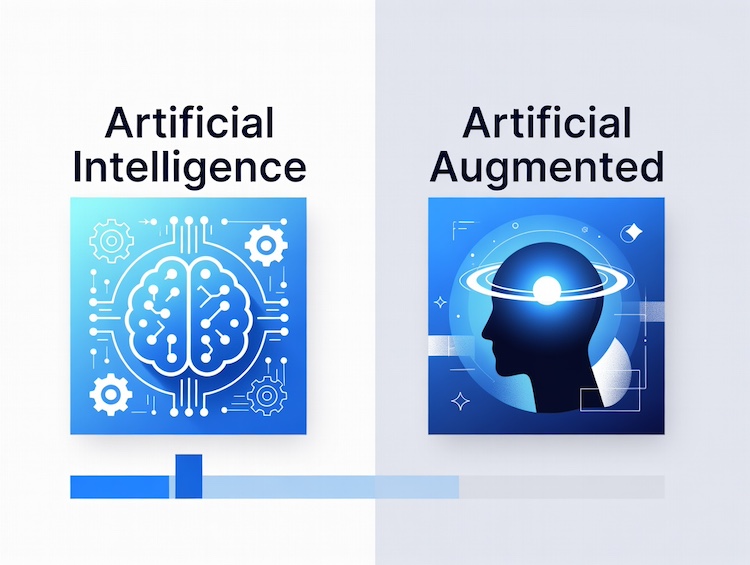
Technology changes fast. Artificial Intelligence Vs Artificial Augmented sparks important discussions. People often mix them up. Yet, differences matter a lot. This guide explains both clearly. It shows real-world uses. Readers learn advantages too. Moreover, it highlights why balance counts. Let’s break it down simply.
Understanding Artificial Intelligence
Artificial Intelligence builds smart machines. Systems learn from data alone. They handle tasks independently. For example, voice assistants respond quickly. Recommendation engines suggest content. In business, AI predicts trends. It automates processes too. However, it focuses on replacement sometimes. Machines take over routines. This boosts speed greatly. Yet, it lacks human judgment often. Creativity remains limited. Additionally, AI scales massively. It processes huge datasets. Therefore, efficiency rises sharply. Overall, AI transforms operations.
What Artificial Augmented Means
Artificial Augmented works differently. It enhances human abilities. Technology supports decisions. Humans stay in control. For instance, tools provide suggestions. People make final calls. This creates powerful partnerships. In design, it offers options. Creators refine ideas. Moreover, it adds context well. Humans bring empathy. Therefore, results feel natural. Artificial Augmented reduces errors too. It combines strengths effectively. In short, it empowers users.
Artificial Intelligence Vs Artificial Augmented: Core Differences
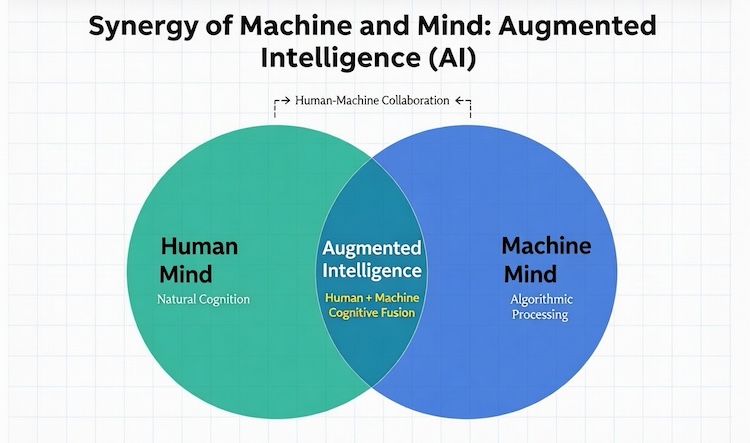
Artificial Intelligence Vs Artificial Augmented reveals sharp contrasts. AI seeks full autonomy. It completes tasks without help. On the other hand, Artificial Augmented emphasizes collaboration. It assists human effort. For example, AI drives cars alone. Artificial Augmented helps pilots navigate. Moreover, AI excels at repetition. Artificial Augmented shines in complexity. Therefore, outcomes differ greatly. AI replaces jobs sometimes. Artificial Augmented augments roles. Additionally, decision-making varies. AI decides independently. Artificial Augmented informs choices. In essence, one automates. The other elevates.

Applications Across Industries
Businesses use both widely. AI optimizes supply chains. It forecasts demand accurately. Factories run smoother. On the contrary, Artificial Augmented improves teamwork. Tools share insights instantly. Teams solve problems faster. Furthermore, in healthcare, AI detects patterns. Doctors gain quick alerts. However, Artificial Augmented supports diagnosis. Professionals add experience. Therefore, care improves. Additionally, marketing benefits too. AI targets audiences. Artificial Augmented crafts messages. Creativity combines with data. Overall, industries grow stronger.
Similarities Between the Two
Artificial Intelligence Vs Artificial Augmented shares common ground. Both rely on data heavily. Algorithms improve over time. For example, machine learning powers each. They handle information smartly. Moreover, efficiency drives both. Tasks finish quicker. This saves resources. Additionally, innovation connects them. New tools emerge constantly. Therefore, progress accelerates. However, ethics apply equally. Fairness matters always. In summary, they advance technology together.
Challenges to Consider
Challenges exist for both. AI faces bias risks. Data influences results unfairly. On the other hand, Artificial Augmented needs training. Users learn new skills. For instance, adoption takes effort. Resistance appears sometimes. Moreover, privacy concerns rise. Data protection stays critical. Therefore, safeguards help. Additionally, costs vary. Implementation requires investment. However, benefits outweigh often. In conclusion, careful planning succeeds.
Future Outlook and Trends
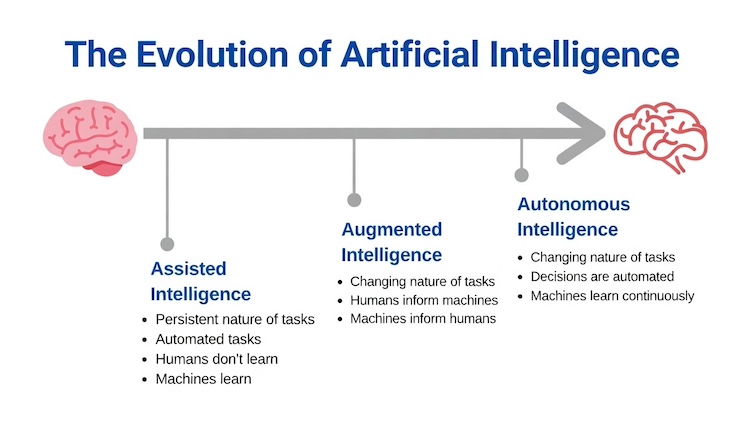
The future combines strengths. AI grows more capable. Autonomy increases steadily. Meanwhile, Artificial Augmented deepens integration. Wearables boost cognition. For example, smart tools assist daily. Hybrid approaches emerge. They blend advantages well. Furthermore, regulations shape development. Ethics guide responsibly. Therefore, trust builds. Additionally, accessibility expands. More people benefit. Overall, positive change awaits.
Real-World Examples
Examples clarify concepts. AI powers chat support. Customers get instant replies. Yet, complex issues need humans. Artificial Augmented handles those. Agents use suggestions wisely. Moreover, in creative fields, AI generates drafts. Artists enhance them. Therefore, quality rises. Additionally, analytics use both. AI crunches numbers. Humans interpret stories. In short, results improve dramatically
Ethical and Practical Thoughts
Ethics remain central. AI decisions need transparency. Explanations build confidence. On the contrary, Artificial Augmented promotes accountability. Humans oversee actions. For example, fairness checks occur naturally. Moreover, inclusion grows. Tools help diverse groups. Therefore, opportunities expand. Additionally, sustainability matters. Energy use requires attention. Green practices help. In summary, responsible use wins.
Best Ways to Integrate
Integration works best gradually. Assess needs first. Identify suitable tasks. Then, start small. Pilot projects test effectively. Moreover, train teams well. Skills build comfort. Therefore, adoption succeeds. Additionally, measure results often. Adjust based on feedback. However, combine thoughtfully. Leverage each strength. In the end, synergy creates value.
Conclusion
Artificial Intelligence Vs Artificial Augmented offers clear choices. AI automates powerfully. Artificial Augmented enhances wisely. Together, they unlock potential. Understand differences fully. Apply them smartly. Progress follows naturally.